

A job I no longer felt I could continue
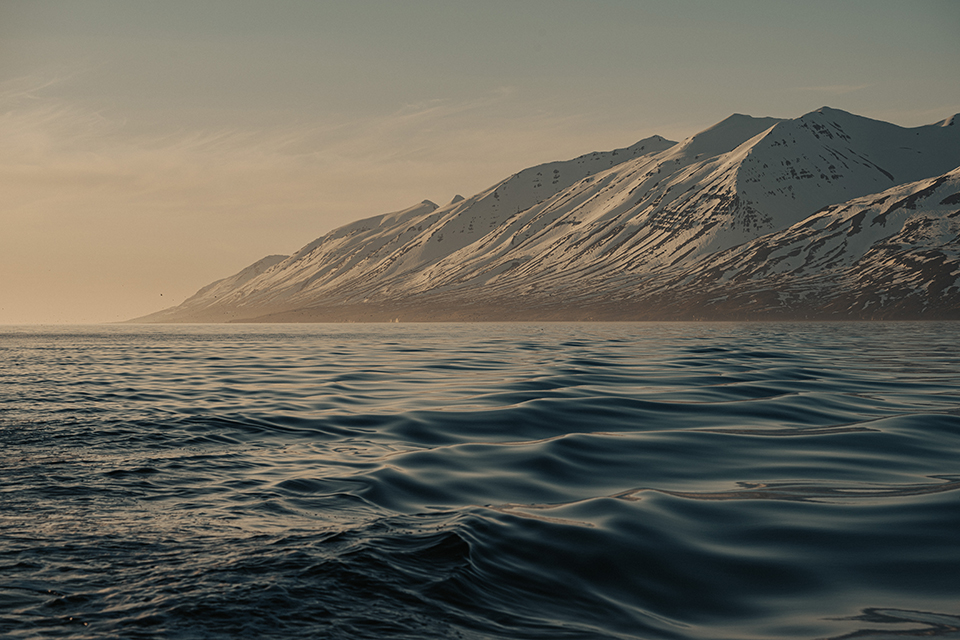
Iceland has always drawn me in when I’ve been searching for meaning in my life. Maybe it’s the island’s vast open spaces that make me feel so small, but I always feel the same sense of freedom when I go there. I first came here to volunteer, and it was also the place of my first solo trip. This year, Iceland became something more — the place I rediscovered a passion that has been hidden for too long.
I had followed Ocean Missions since its creation, and considered joining an expedition in the past, but never did due to lack of time and fear — until now. Early 2025 was difficult: I was stuck in a draining job, far from my values. That struggle pushed me to make changes and find the courage to pursue my childhood dream of working with animals. So, I joined the Hope Expedition. As if life confirmed my choice, I lost the job soon after booking — a job I no longer felt I could continue.
Into The Unknown
I must admit, on my trip to Husavík, I wondered if I had made the right choice. My travels had always been about discovering new cultures and their history, but this time, it felt deeper. I feared I wasn’t the right person — with no science background — but as the Icelandic landscapes rolled past my window, I felt a quiet peace.
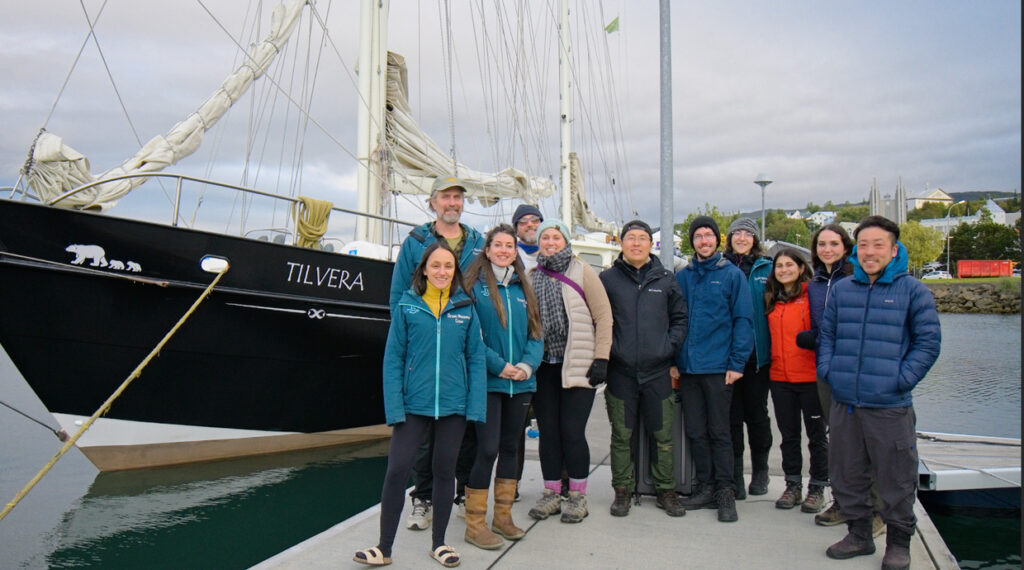
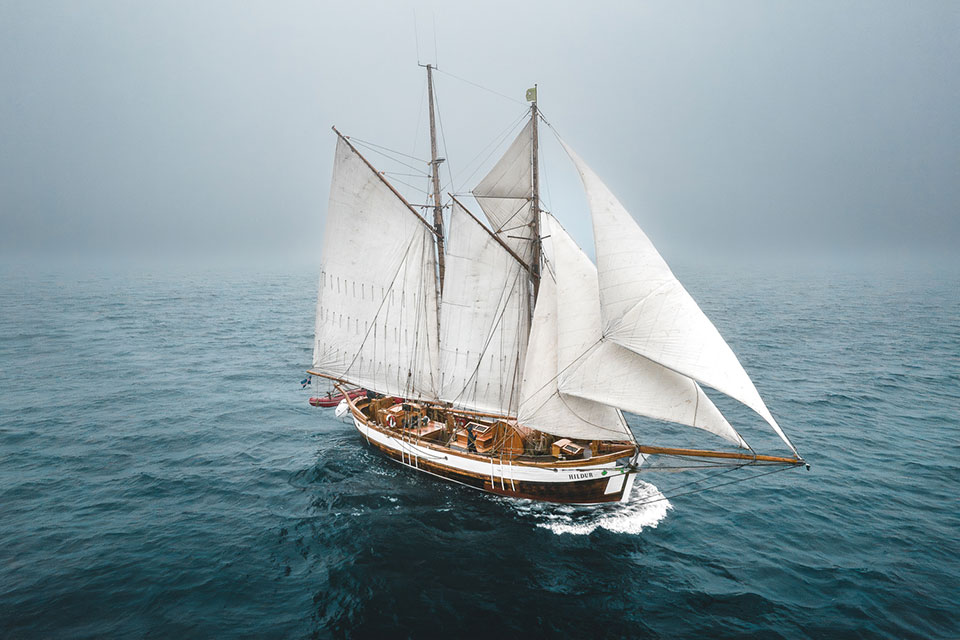
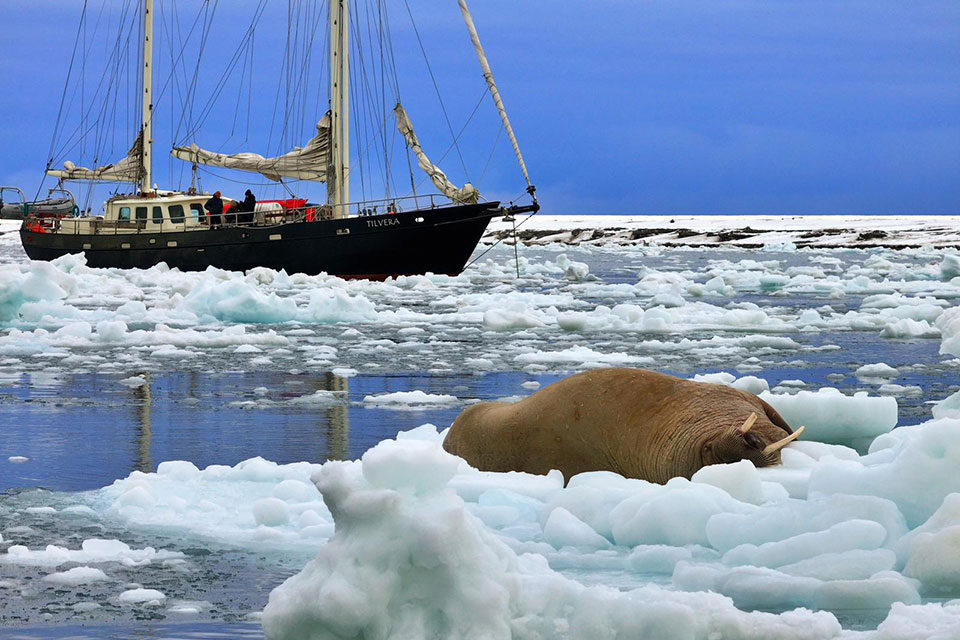
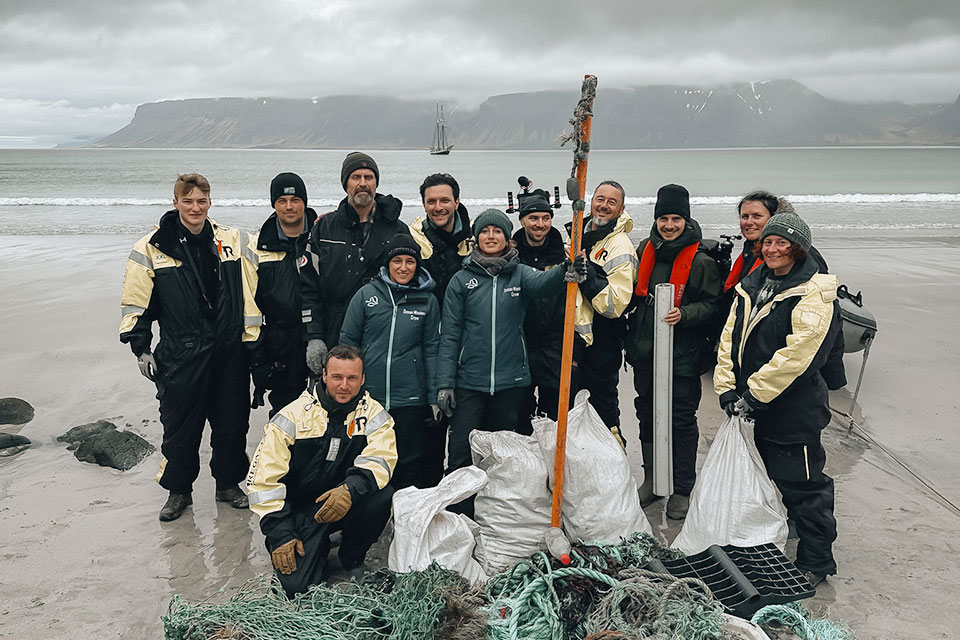
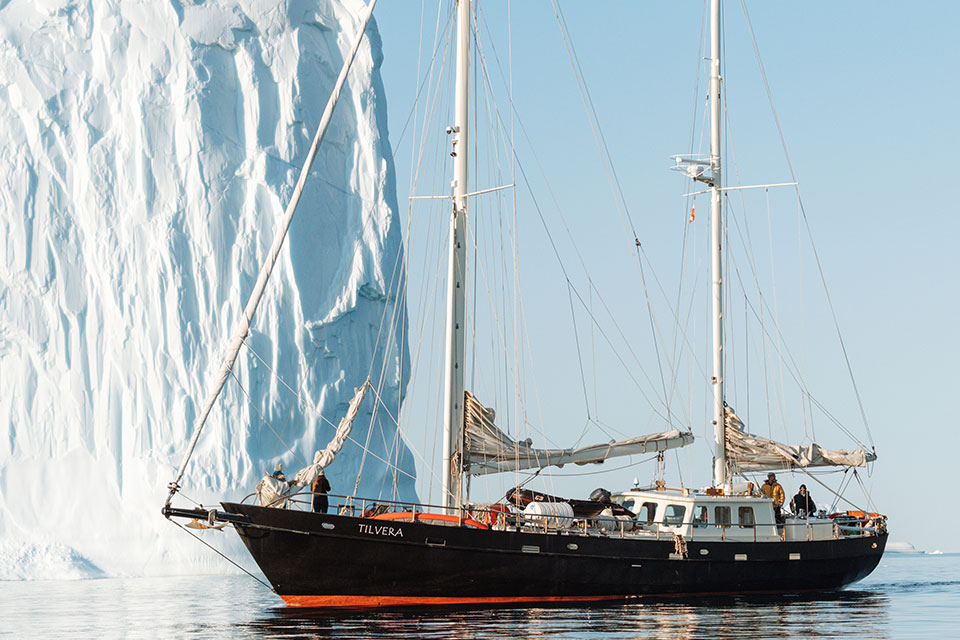
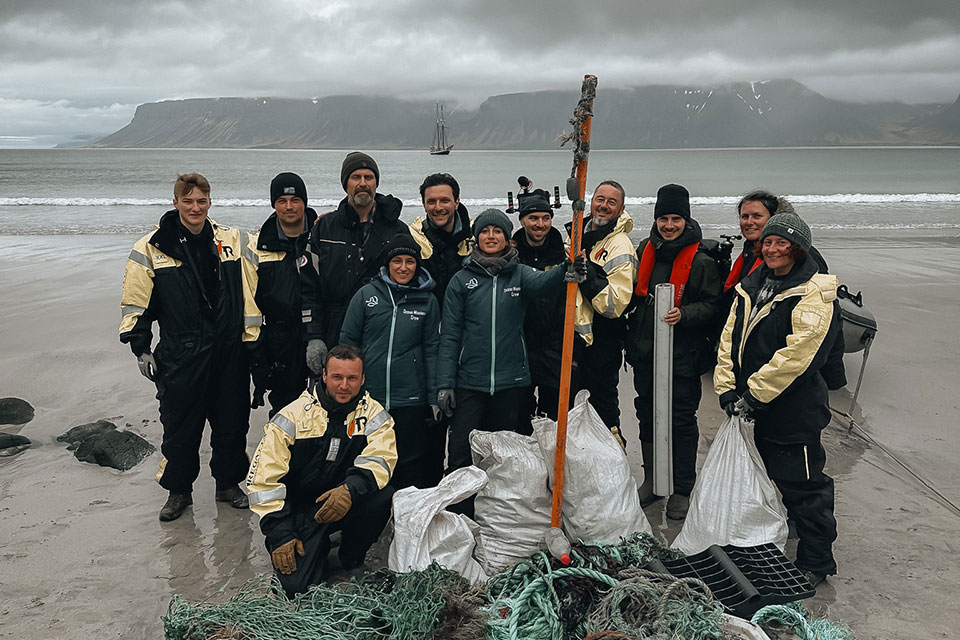
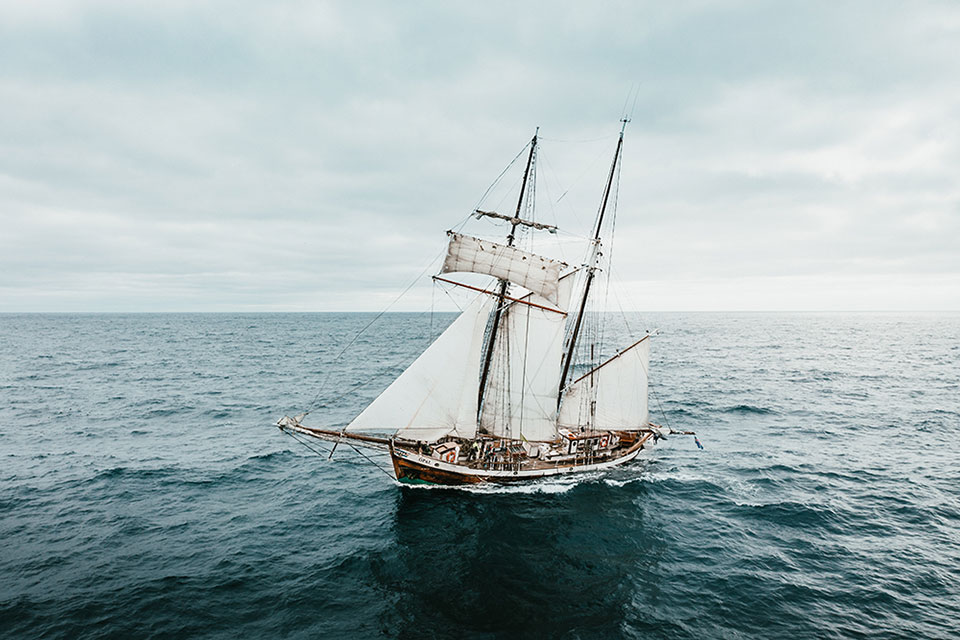
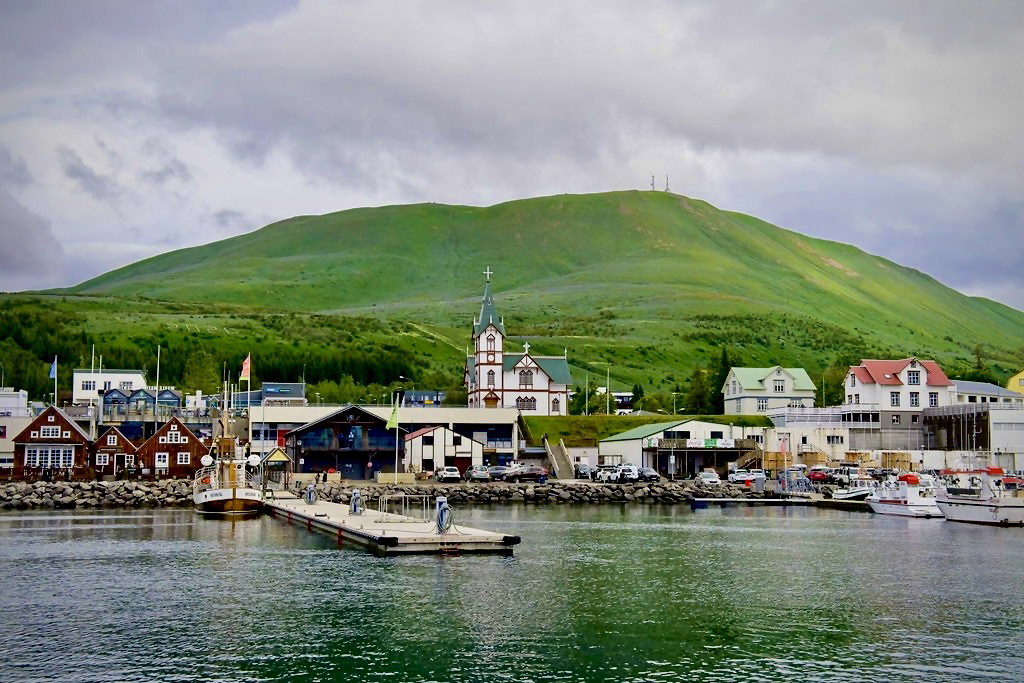
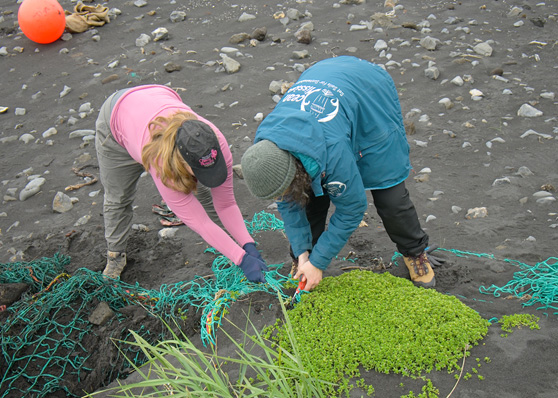
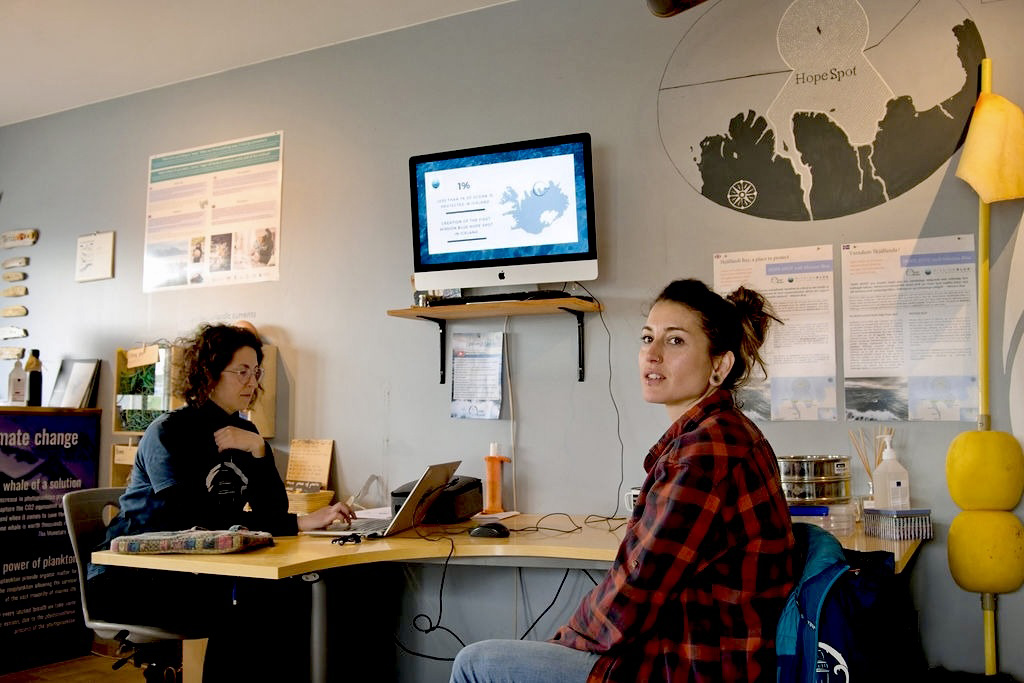
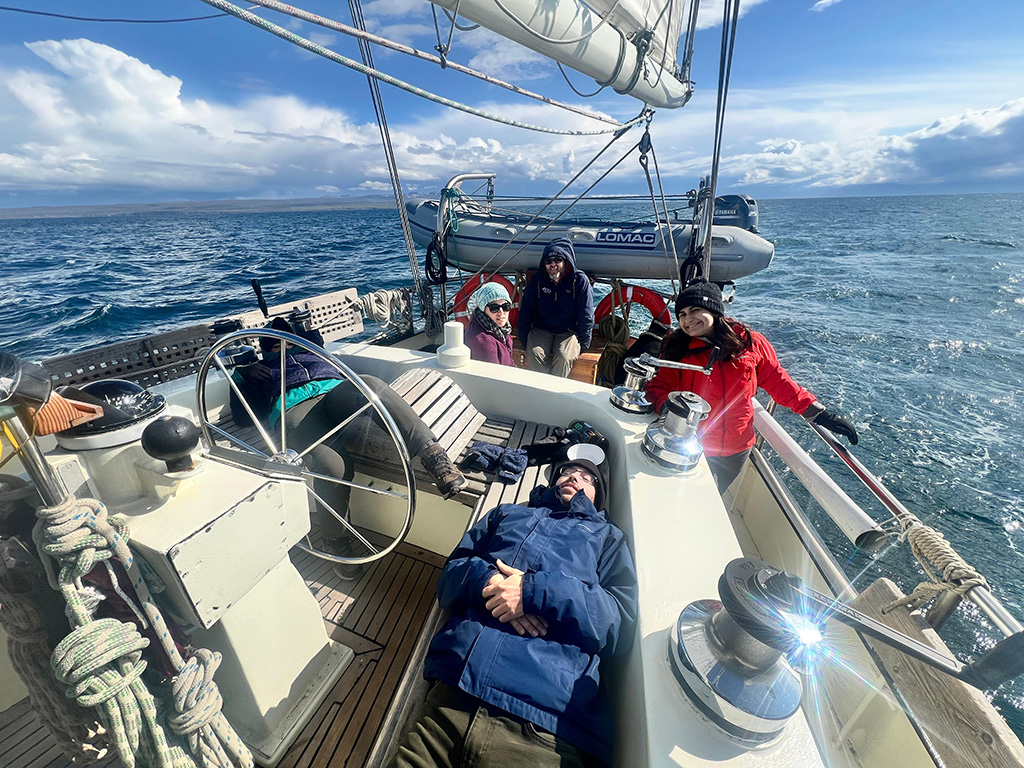
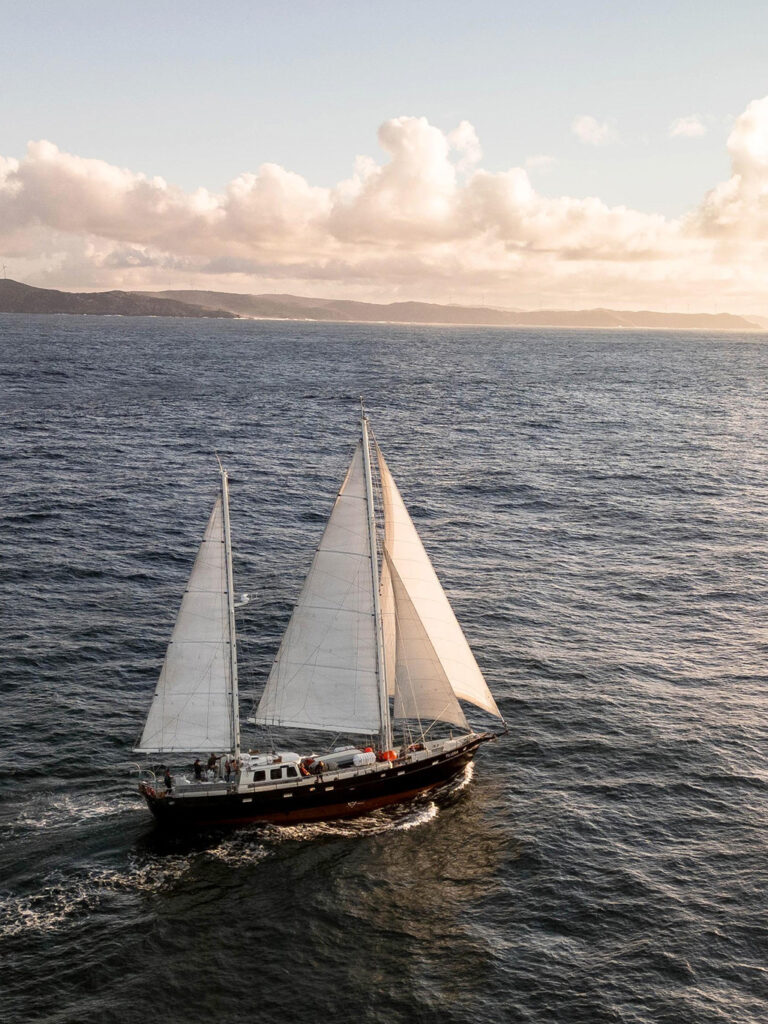
In Husavík, I quickly met Belén (founder and marine biologist) and Gaia (student and volunteer) from Ocean Missions, and before settling in we were already on our first beach cleanup. Under the rain, we collected plastic debris, fishing nets, and sadly, a dead puffin tangled in one. That moment showed me how deeply we are all connected to the sea — humans, cetaceans, fish, and birds alike. Back in town, we dropped our bags aboard Hildur, a beautiful wooden schooner that hosted us for three nights before embarking on Tilvera, another magnificent vessel, for the sailing part of the program.
Where Hope Begins
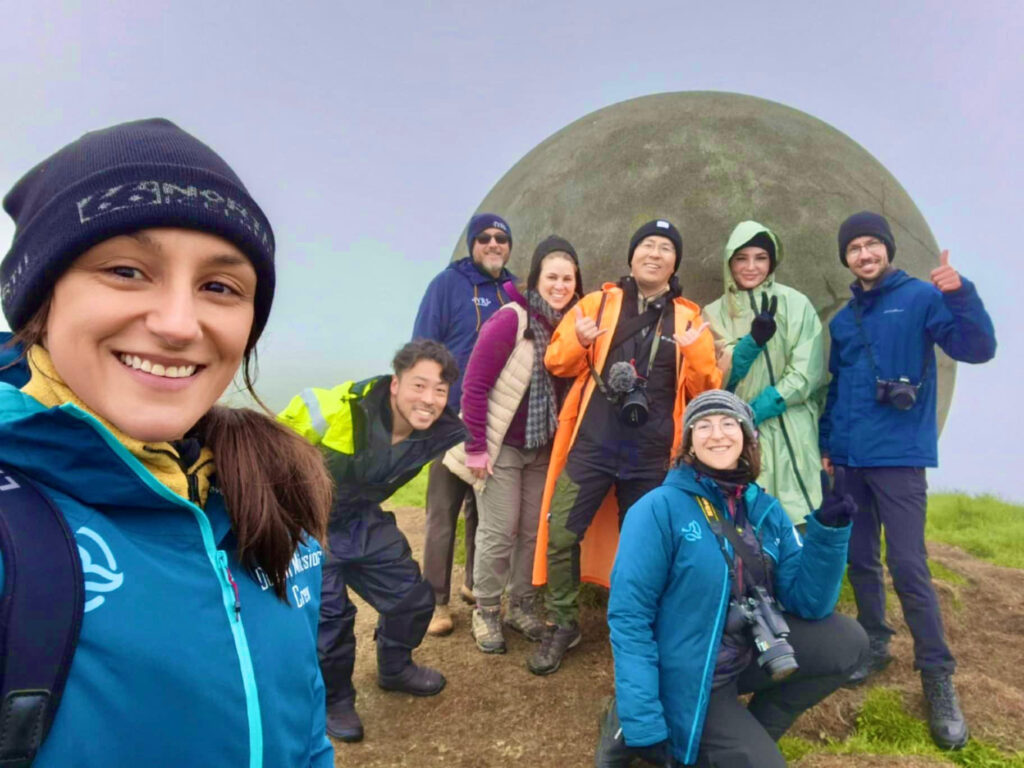
What struck me most at the start wasn’t the busy schedule during the land program, but the people. We came from different paths; some students, a boat builder, a musician, even a filmmaker in the making — yet all shared the same passion for the sea. That diversity gave me hope: proof that anyone, regardless of background, can care deeply about the ocean.
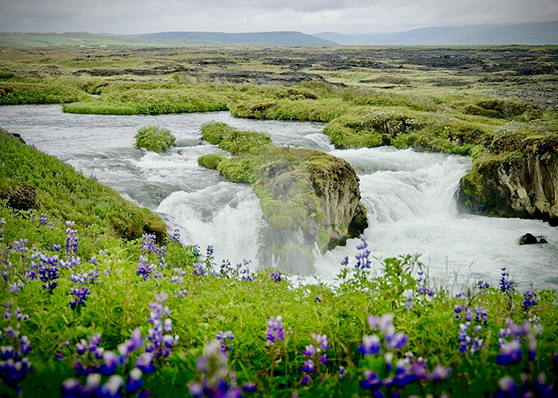
At Laxámyri (salmon river) one of the most powerful rivers in the world, welcomed by a waterfall, giant cliffs and Arctic terns flying above us, I felt both joy and sadness. Joy in the laughter of the group as we worked together, sadness in the plastic bottles and nets that had traveled so far to reach this remote shore, destroying nature’s beauty. Watching the ICEBERG Project team’s drone fly overhead reminded me that even technology is joining the fight to protect what we love.
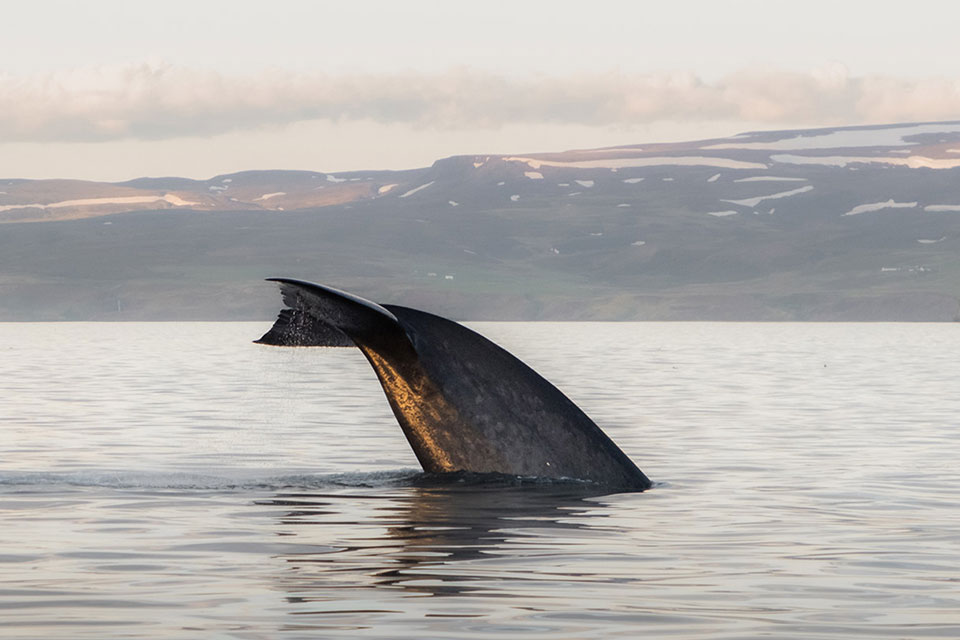
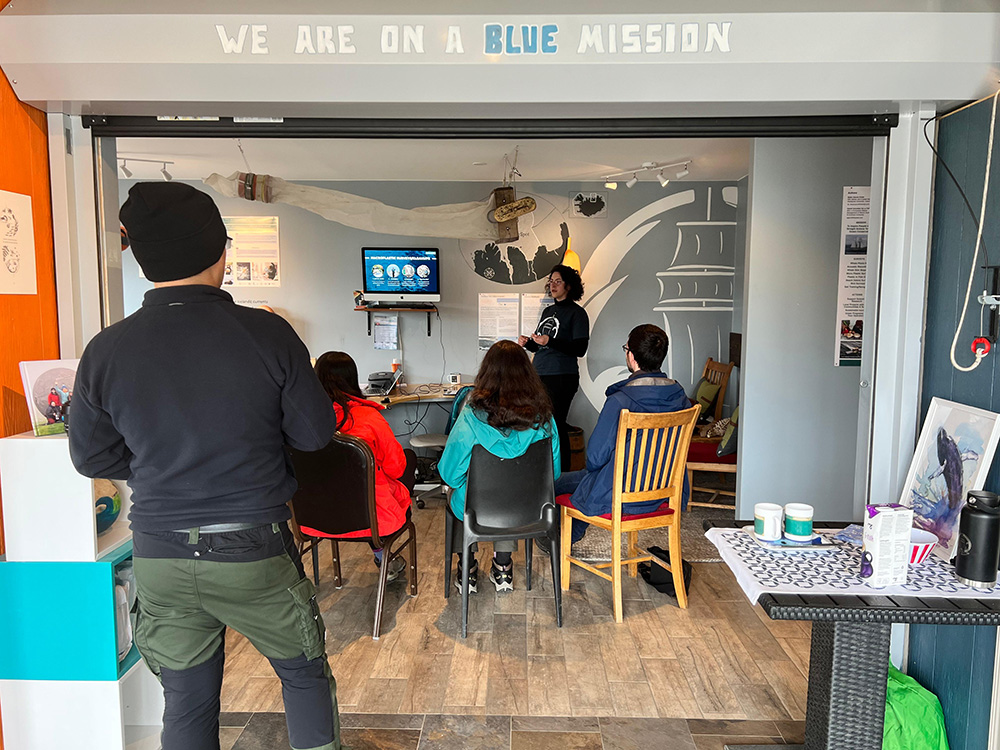
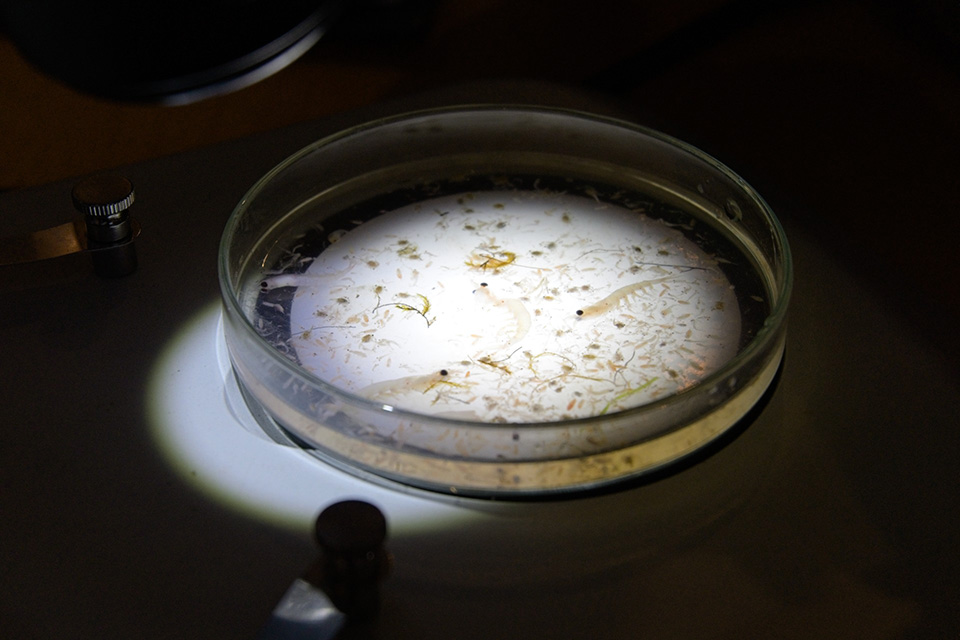
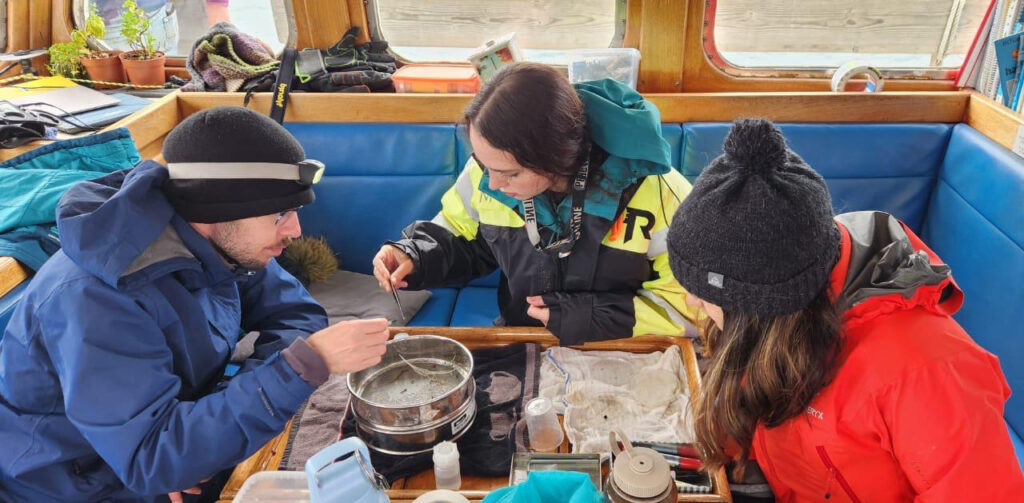
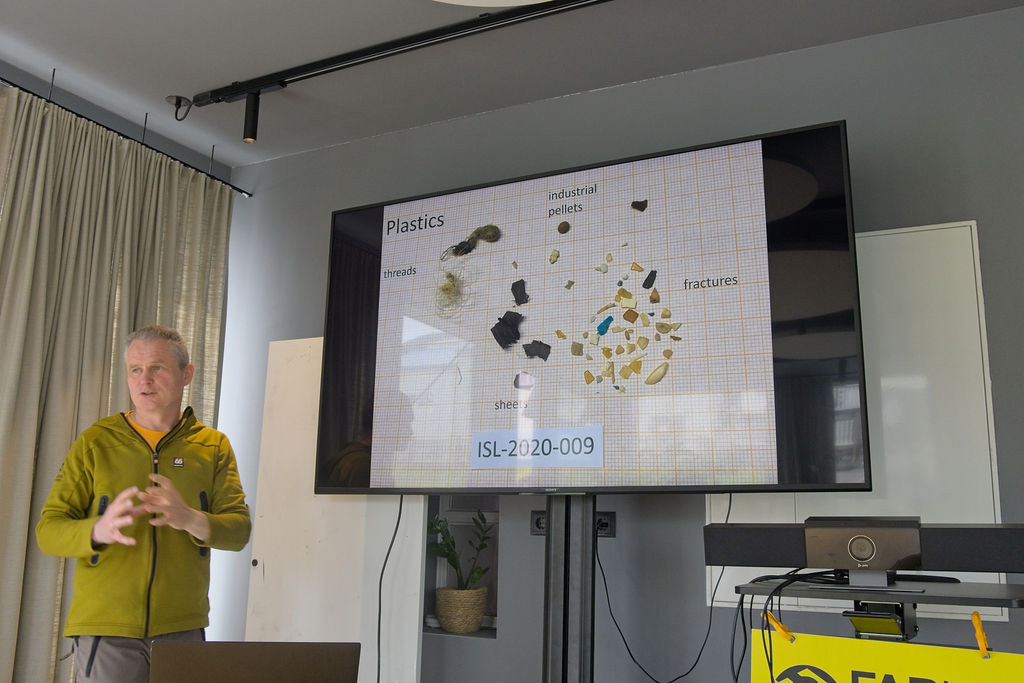
When we went on a night whale watching tour with North Sailing, the silence when the engine stopped in the middle of the bay became a moment where I felt small within this beautiful landscape surrounding us. The gentle blow of the humpback whales and the sound of the waves moving us, connected me deeply to the ocean. Looking at zooplanktons through a microscope the next day — from samples we collected during our adventure at sea, with a manta trawl — I was amazed that such tiny beings sustain the giants of the sea. It changed how I see the world: even the smallest lives matter — and I will now think about all those small creatures when I swim in the ocean next time.

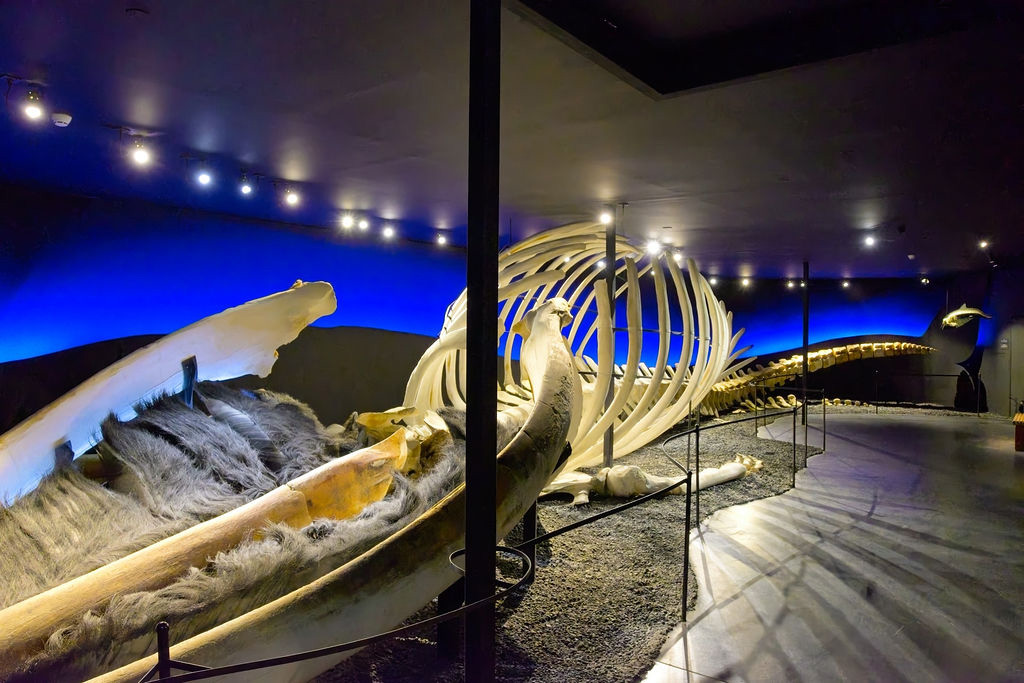
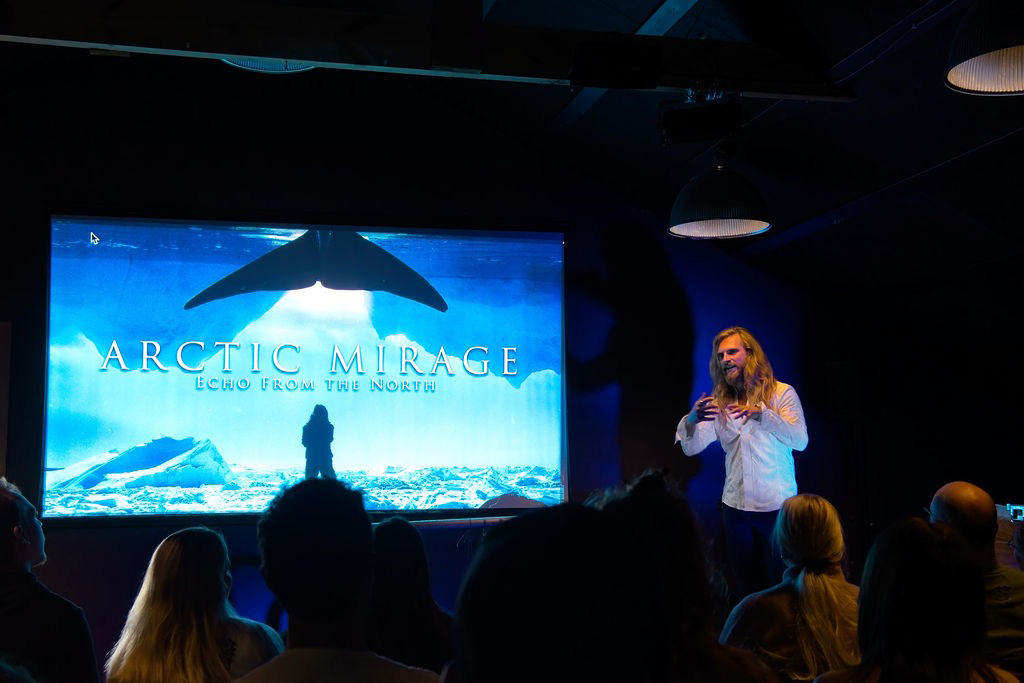
The museums in Husavík deepened my understanding of the ocean and its importance in the communities that are living from the fishing industry. Also, standing before the skeleton of a blue whale, I realized how much whales give back to the ecosystem, feeding plankton with their waste and sustaining countless species. And when Tristan Visser’s music and film “Arctic Mirage” filled the Whale Museum, I shed some tears — moved by the way art, nature, and human stories intertwined.
Those moments of learning, connection, and wonder were already bringing me hope. Hope that change is possible, and that the ocean’s future can be brighter.
Sailing to the Arctic Circle
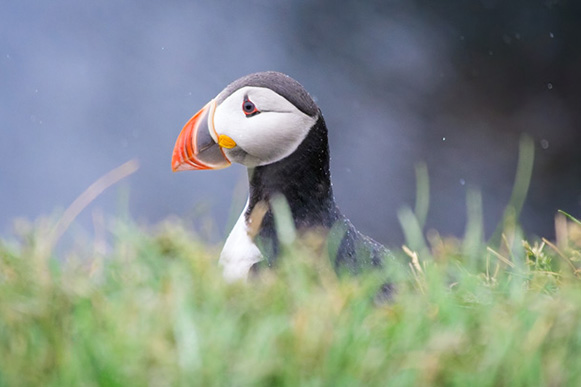
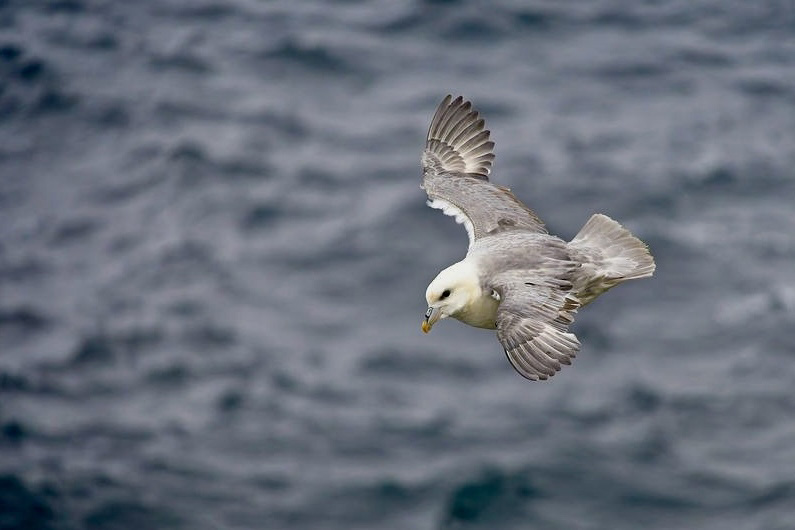
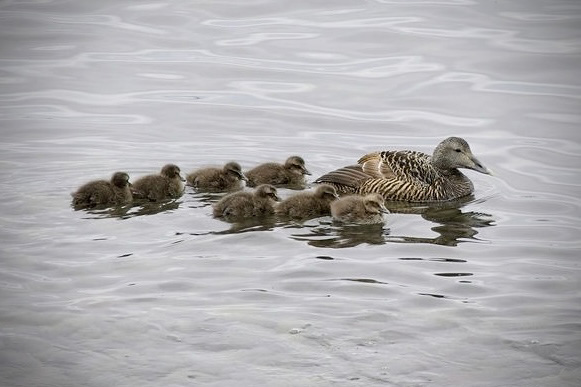
During four days at sea, the Hope Spot revealed itself not just in landscapes, but in feelings. On Lundey Island — Puffins Island in Icelandic — the chaotic chorus of birds made me laugh, yet also reminded me how alive and fragile this place is. In Grímsey, soaked by rain and wind, I felt in awe standing among cliffs filled with nesting puffins, guillemots and fulmar. Cold and wet in the Arctic Circle, I still felt part of something greater.

Cleaning a remote beach later, I could tell its stormy history as we found planks, nets, and fences among the debris. 23 kg of litter later, we also found a child’s drawing in a bottle, sent two weeks earlier from Reykjavik. It reminded me that everything travels much further and faster than I expected.
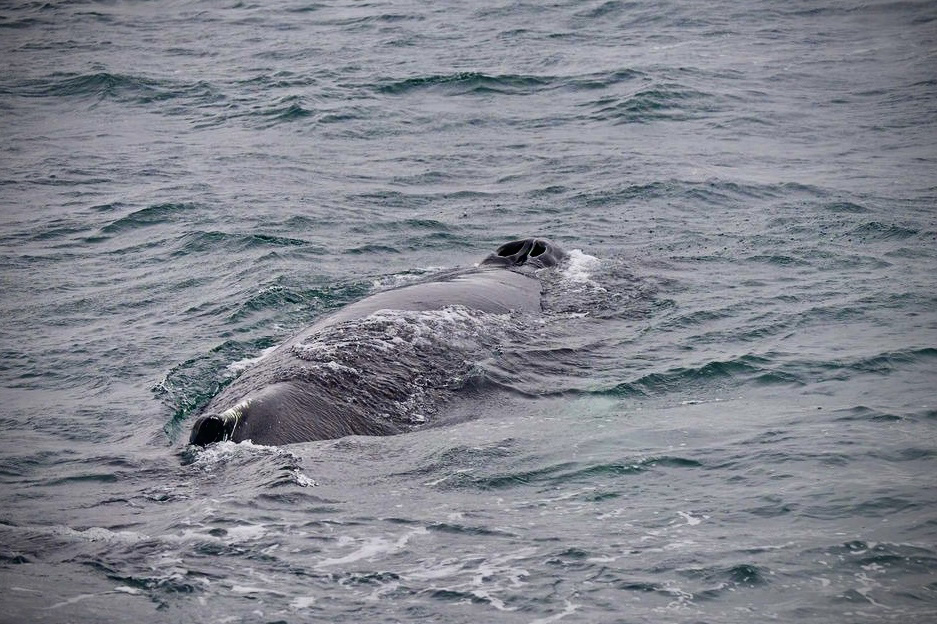
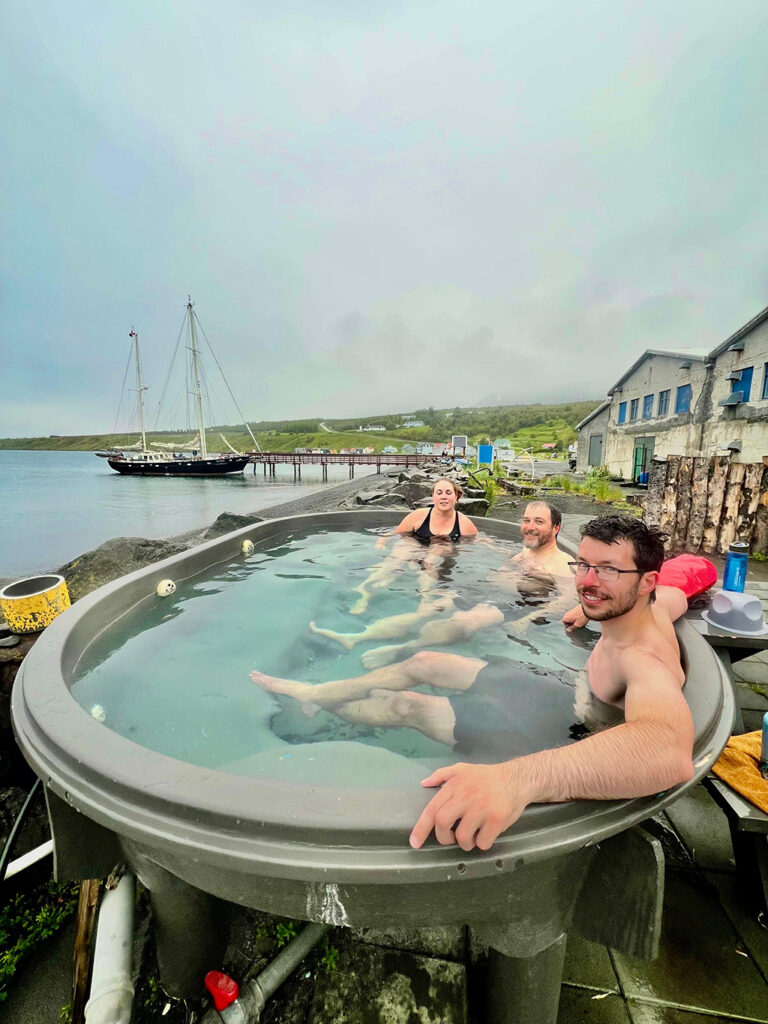
As we continued our sailing adventure, we met the unforgettable Capri, the humpback whale that we identified with “Happywhale app”. She swam quietly beside us, and later, as we soaked in a shoreline hot tub, we saw her breathing in the distance. That calm presence felt like a gift. One participant played guitar in an old oil silo, we laughed together in a strange bar filled with everyday objects turned into art, and we shared giant potatoes among friends. That simplicity was not only inspiring, but grounding. A reminder that sharing moments with people is what connect us altogether.
On the final day, looking into the eye of a whale who came to see us closely, I understood how important respect is. We are only visitors in their world. Watching other boats chasing whales one after another reminded me that conservation is not just science, but also empathy to other living beings.
The Hope Spot may be small, but it is full of life and it’s why its preservation is important — whales feeding, puffins fishing, fish sustaining each other in endless cycles. It taught me that preservation must be responsible, because our lives are bound to theirs. Fishing must remain sustainable, and harmful gears that entangle whales and dolphins must be reduced.
The Hope Expedition changed me
What began as curiosity about the ocean became something deeper. It gave me hope for the sea, knowing that people live with passion and purpose to protect our blue planet. It also gave me hope for my own future — reminding me that sometimes we must take risks and fight doubt to find our path.
This journey brought me to like‑minded people radiating freedom and joy. They became friends and a family, who will push me forward in a difficult world. On the first day alone, I felt transformed. I remembered my childhood love for animals and my inspiration from the sea — and I knew this is where I belong, returning to the roots of everything. The journey was gray, it rained, I got seasick, but I never felt so much alive than when I was aboard, surrounded by extraordinary people.
I am grateful to Belén, Charla, Gaia, and Heimir, our captain, who inspired me and for helping me find meaning and a place where I belong. And to all the participants who shared their stories and listened to mine — we cared for each other, laughed together, and dreamed of a better future.
Sometimes life isn’t easy. You try things and you find out way too late that the direction you have taken wasn’t the right one. But I want to tell to everyone who are feeling lost, and disconnected with nature:
Follow your heart. Follow your dreams.
We are all connected by the sea.